
May 7, 2026
Is Your Business Ready for Puerto Rico’s Peak Season?
Get your Puerto Rico business ready for peak season with reliable POS systems, contactless payments, and backup plans that keep checkout running smoothly.
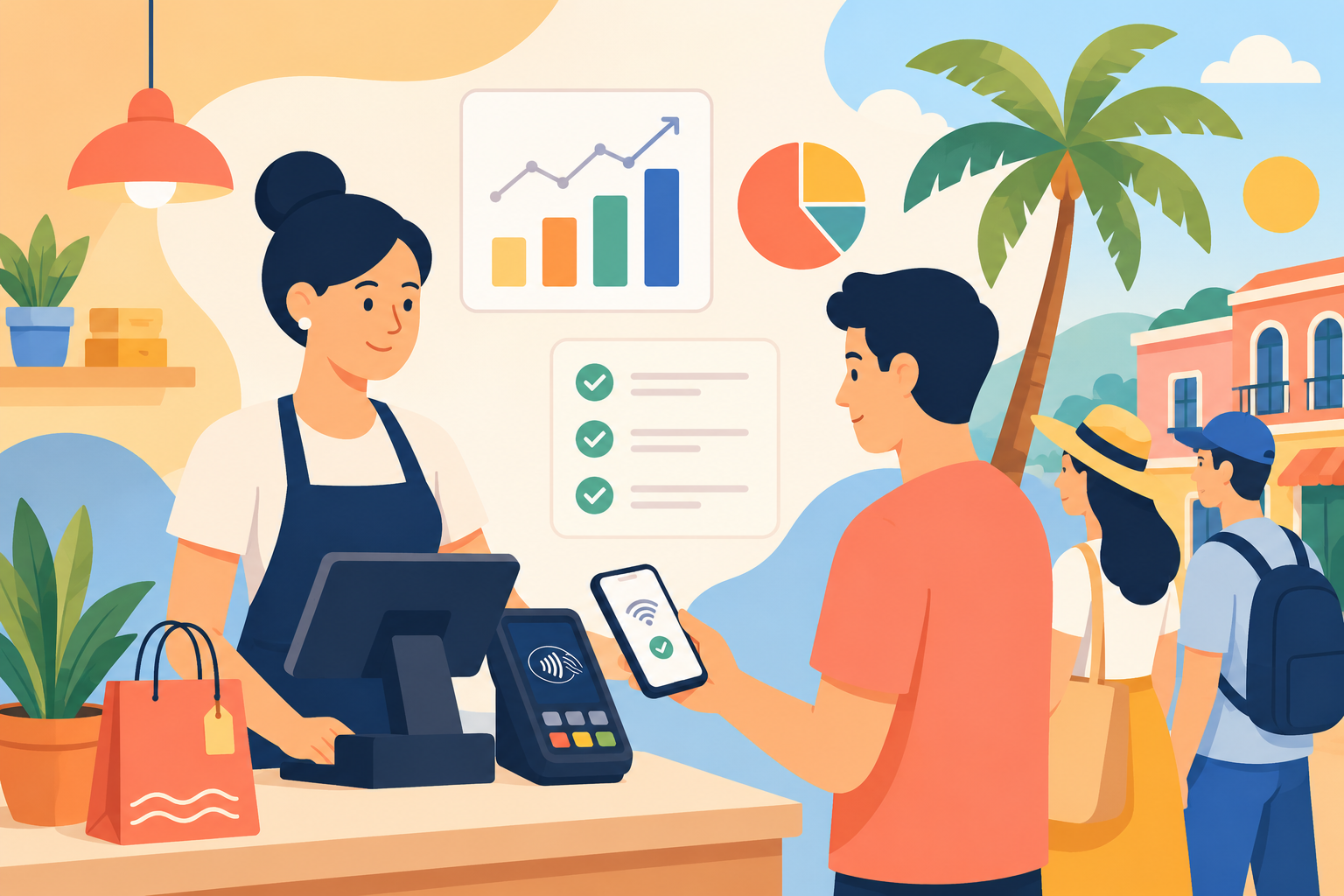
For many businesses in Puerto Rico, this time of year brings much more than an increase in sales.
With the arrival of summer, increased tourism, heavy rains and the beginning of hurricane season, new challenges also arise for those working every day to serve customers and keep operations running smoothly.
And while no one can control the weather or unexpected situations, there are ways to prepare in order to maintain organization, avoid interruptions and reduce stress during the busiest moments of the season.
From having reliable payment systems to preparing backup plans for internet outages or power interruptions, planning ahead can make a major difference for both businesses and their customers.
In this article, we’re sharing some important questions every business should consider before entering peak season.
How Does a Sales System Stay Stable During Peak Hours?
During busy seasons, many businesses can go from serving just a few customers to processing dozens of transactions within minutes.
And although it may seem simple from the outside, sales systems constantly work behind the scenes to register payments, organize information and keep every transaction running in real time while new customers continue arriving.
To accomplish this, many systems rely on synchronization processes, temporary data storage and tools designed to maintain stable performance even during high-demand periods.
Over time, some businesses begin noticing slower response times, interruptions or difficulties handling larger transaction volumes.
That’s why having tools prepared to keep up with the current pace of the business can help maintain a more organized, fast and reliable experience for both staff and customers.
What Happens to Sales During a Power Outage or Internet Failure?
For many businesses, one of the biggest concerns during this season is having a power outage or internet issue directly affect daily sales.
When a system is not prepared, connectivity interruptions can create uncertainty about whether a transaction was processed correctly, whether the sale was recorded or even whether the customer was charged more than once.
That’s why having reliable payment systems designed for these situations can help businesses maintain greater control and peace of mind during high-activity periods.
Today, many modern POS systems include tools designed to minimize interruptions, temporarily store information or continue certain operations while connectivity is being restored, helping businesses continue operating in a more organized way.
How Long Can a POS System Operate During a Power Outage or a Busy Workday?
One of the most common questions during busy seasons or possible electrical interruptions is how long a sales system can continue operating without being directly connected to power.
Today, many modern POS devices are designed to offer greater battery autonomy and energy efficiency, especially for businesses where mobility and operational continuity are important.
Depending on the model and type of usage, some devices can continue operating for several hours thanks to integrated batteries, power-saving settings and tools designed to keep essential operations running while electrical service is restored.
Solutions such as Clover, Dejavoo, HioPOS, On The Fly and SwipeSimple offer different options designed to provide greater flexibility and continuity during high-traffic workdays.
Beyond exact battery duration, what matters most for many businesses is having tools that help keep sales organized and reduce interruptions during critical moments.
Bonus: What Is the Most Popular Payment Method Among Customers Today?
Today, more and more people prioritize payment experiences that are fast, simple and contactless, especially during busy hours or while shopping during travel and peak tourist seasons.
Contactless and tap-to-pay payments have become some of the most widely used and preferred payment methods thanks to the speed and convenience they offer during checkout. According to recent reports, more than half of consumers in the United States already prefer contactless payments over more traditional payment methods in physical stores.
The growth of digital wallets and mobile payments also continues to rise, especially among people accustomed to using their phones or smartwatches to complete purchases within seconds.
For many businesses, offering multiple payment methods not only helps reduce lines and waiting times, but also helps adapt to customers’ current preferences.
Today, many POS solutions integrate tap-to-pay options, wireless terminals and mobile tools designed to make the checkout process faster and maintain a smoother, more organized customer experience.
Staying Ready for the Season
We hope this article helped answer some of the most common questions businesses may face during this season in Puerto Rico.
Preparing ahead of time, using reliable tools and maintaining organized operations can make a major difference during periods of high activity or unexpected situations.
At Caribbean Payments, we work alongside businesses by providing payment solutions designed to adapt to different operational needs, helping maintain a more stable, flexible and efficient experience for both staff and customers.
If you have questions about POS systems, payment methods or how to prepare your business for peak season, our team will be happy to help.